Storage & Handling Solutions Built Around Your Needs
JS Burgess designs and manufactures manufacturing storage solutions and material handling equipment around the way components, WIP and finished goods move through your operation.
From steel stillages and cages to post pallets, industrial bins and bespoke solutions, we support line-side handling, warehouse storage and distribution.
- UK design and manufacture from our 7-acre factory in Whaley Bridge
- Solutions for components, WIP, finished goods and return flows
- Designed around forklift, pallet-truck, conveyor, tug and other agreed handling methods
- Options for stacking, access, dunnage, containment and identification
Support from an initial brief or drawing through to repeat and high-volume manufacture
Tell us what you need to store or move, how it travels through your operation and where the current process could work better.
Raw Materials & Incoming Components
Keep long products, sheet materials, loose components and supplier parts supported and easier to organise before they enter production. Stillages, post-pallet formats, cages and bins can be configured around load dimensions, the handling equipment used and the level of access or containment you need.
Work-in-Progress & Line-Side Handling
WIP needs to stay identifiable, accessible and in the right condition as it moves between operations. Component-specific supports, dividers, dunnage, drop fronts and identification points can help keep parts separated and presented in a repeatable way for the next stage of work.
For long extrusions and similar products, our profile stillages are designed around product length, handling method, stacking and protection requirements.
Finished Goods, Warehouse Storage & Distribution
Finished goods may need protection, secure location and efficient use of floor and vehicle space. Stackable stillages, warehouse cages and collapsible designs can be specified around the load, access requirements and the return journey.
Production Waste, Scrap & Loose Materials
Where the job is containment rather than component presentation, a solid-sided industrial bin may be the better fit. JS Burgess manufactures steel bins for storage and transport, including applications such as swarf, scrap and bulky parts.
Where Is Your Current Storage or Handling Setup Adding Work?
Many manufacturing storage problems are not really about having too little storage. They come from what has to happen every time a part is put away, moved, picked, presented, transported or returned.
| What is happening? | Design direction to discuss |
| Parts are difficult to access | Drop fronts, removable posts, doors, hatches or open-sided formats can be designed around the point of use. |
| WIP is hard to separate or identify | Defined part locations, dividers, labels, ticket holders and Kanban requirements can be built into the storage method. |
| Components are being marked or damaged | Dunnage, straps, separators and purpose-designed supports can protect vulnerable surfaces and control movement. |
| Floor or vehicle space is being wasted | Stackable designs can use vertical space; folding, collapsible or demountable formats can reduce empty storage and return volume. |
| The container does not suit your MHE | Fork pockets, pallet access, castors and other handling interfaces can be planned around the intended equipment and process. |
| Existing fleet formats must be maintained | JS Burgess can work from drawings, CAD files, sample products or an existing unit where the new design needs to match an established requirement. |
Choose the Right Format for the Load, Access and Movement
“Material handling equipment” covers very different jobs. The quickest route to the right product is to start with the load and process rather than forcing everything into one container type.
Metal Stillages
Commonly specified for long, heavy, bulky, fragile or higher-value components that need defined support, stacking, protection or repeatable positioning through storage and movement.
Post-Pallet Formats
Used where a straightforward steel platform with posts or stacking features gives more control than a flat pallet, particularly for repeat handling and storage.
Steel Cages/Pallet Cages
Suited to contained parts or stock where visibility, ventilation and access remain important. Folding or demountable formats can also help reduce space when units are empty.
Find a Cage for Your Application
Industrial Bins
Used for small parts, bulky components, swarf, scrap and other materials where solid-sided containment is more appropriate than an open stillage or cage.
Returnable Transport Packaging
Designed for reusable movements between suppliers, production sites, warehouses and distribution where product protection, pack factor and empty return all need to be considered.
Bespoke Fabrication
For requirements where the load, process, handling method or existing fleet does not suit an established format, or where a current design needs to be reproduced or adapted.

Design the Stillage or Container Around How the Load Moves
A storage unit can be the right size and still be awkward in use. The handling method, operator access and movement between processes should be considered before the design is fixed.
Depending on the application, options can include fork pockets, pallet-truck access, castors, removable posts, drop fronts, doors, hatches, lifting considerations, dividers and defined stacking features. The final configuration and handling instructions need to be agreed for the specific design and intended use.
If you already have an established method, share the equipment, access points and loading sequence. If you are changing the process, we can review the handling requirement alongside the product.
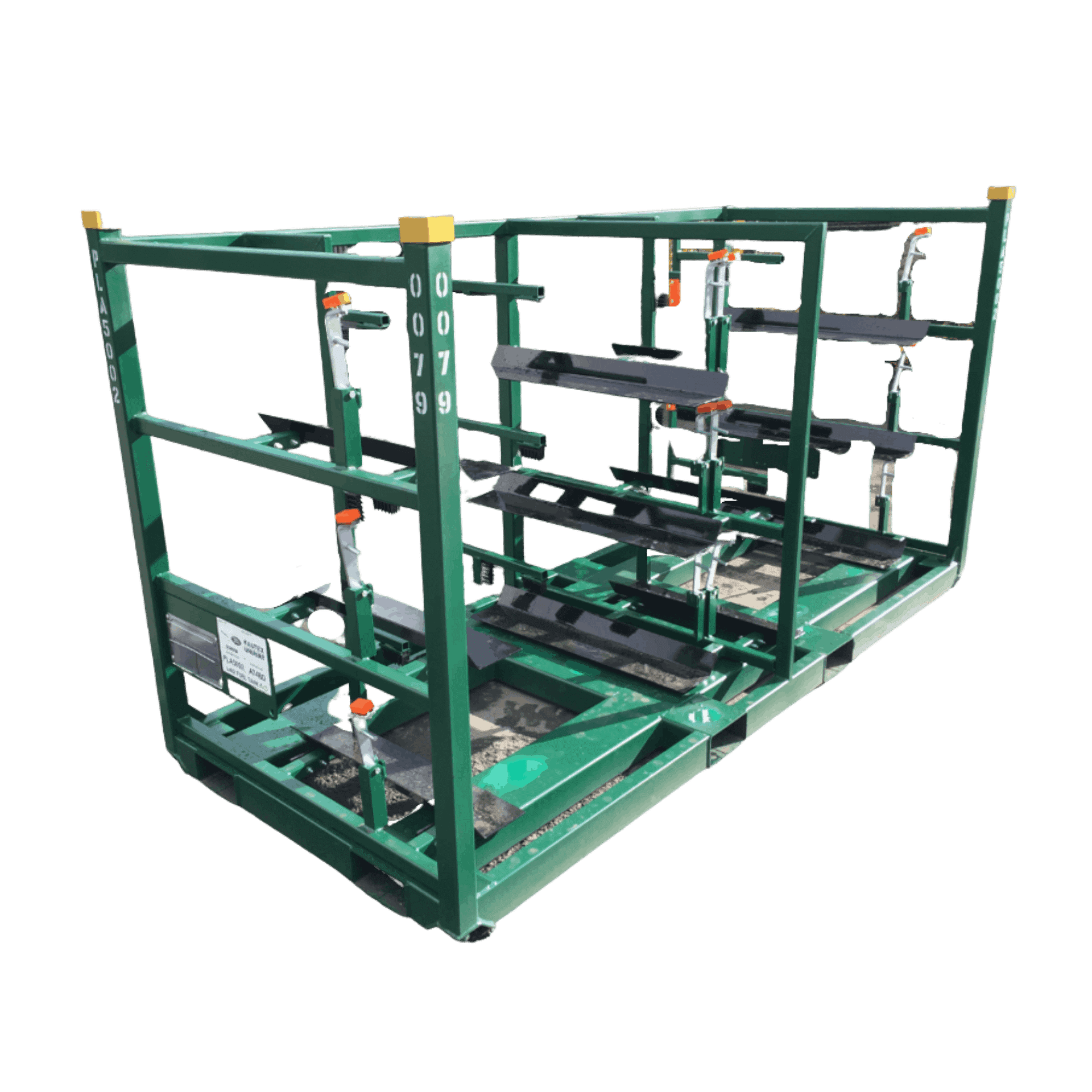
Use Factory, Warehouse & Return Space More Effectively
A container occupies space when it is full and when it is empty. Stackable formats can help use vertical storage and vehicle capacity; folding, collapsible, nesting or demountable designs can reduce the space used between loaded movements where the application allows it.
That is especially useful for returnable transport packaging and closed-loop supply movements, where empty units need to come back through the network.

Protect Components Between Production Stages & Sites
The right level of protection depends on the product. Long profiles may need continuous support. Automotive or finished components may need defined locations and softer contact materials. Loose parts may need mesh or solid containment.
Dunnage and load protection can include rubber, felt, PU, textile, bag or custom-formed supports where suitable. Dividers, straps, side restraints and purpose-designed contact points can also be considered to keep products separated and supported through the agreed handling process.
From a Handling Problem to Repeatable Production
You do not need a finished drawing before you speak to us. JS Burgess can start with an existing specification, a CAD file, a sample component or a clear description of the handling problem.
- Share the load and process. Tell us what you are storing or moving, where it goes and what is not working well today.
- Develop the design. Our in-house team can use 3D modelling to review dimensions, access, protection, ergonomics and handling interfaces.
- Confirm the solution. Where required, a prototype, sample or first-off approval can be produced before a wider run.
- Manufacture and finish. Fabrication, welding, assembly and finishing are managed through JS Burgess facilities, with paint, powder coating and galvanising options depending on the requirement.
- Plan repeat supply. We can support repeat batches and high-volume programmes with production scheduling, project management and delivery coordination.

Built to Support Repeat & High-Volume Manufacturing Programmes
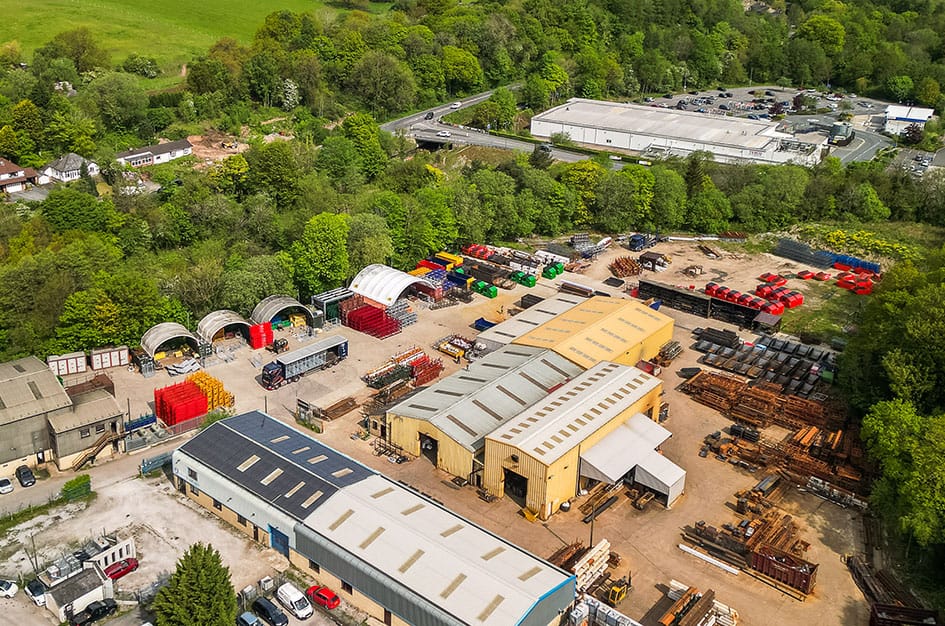
JS Burgess manufactures and ships tens of thousands of products each year from its 7-acre UK factory and can schedule high-volume production runs for complex programmes with tight deadlines.
For repeatable production, jigs and fixtures can be used to support consistency and dimensional accuracy across a run. The wider manufacturing facility includes forming, MIG welding, pressing, assembly, finishing and CNC-controlled metal-forming machinery.
If your requirement will be released in batches, needs to match an established fleet or must arrive to a defined delivery schedule, include that information in the initial brief so the manufacturing and delivery approach can be planned around it.
FAQs
| Question | Answer |
|---|---|
| How do you specify manufacturing storage solutions for WIP and line-side handling? | The starting point is the component and the way it moves through production, rather than a standard container size. We would look at dimensions and weight, required orientation, operator access, presentation at the next process, handling method, identification and any surfaces that need protection. Depending on the application, the design can incorporate dividers, dunnage, drop fronts, defined part locations or other features to keep WIP separated, accessible and presented consistently between operations. |
| Can stillages be designed around our existing material handling equipment? | Yes. The handling interface should be considered as part of the design rather than added afterwards. JS Burgess can develop material handling solutions around forklifts, pallet trucks, castors and other agreed handling methods, taking account of where the unit needs to be accessed and how it moves through the site. If you already have an established process, providing details of the equipment, fork access, loading sequence and any existing units gives the design team a much stronger starting point. |
| When would you specify metal stillages rather than warehouse cages or industrial bins? | It depends on what the load needs from the container. Metal stillages are commonly used where components need defined support, positioning, stacking or protection. Warehouse cages are more appropriate where containment, visibility, ventilation and access are important, particularly for loose or mixed components. Solid-sided industrial bins can make more sense for materials such as swarf, scrap, small parts or bulky loose items. The choice should follow the load, access and handling requirement rather than forcing every application into the same format. |
| How can returnable transport packaging be designed to reduce empty-return volume? | Returnable transport packaging needs to work efficiently in both directions. A unit may perform well when loaded but become expensive or inefficient if it occupies the same volume on the return journey. Where the product and handling method allow it, stillages can be designed to fold, collapse, nest or dismantle when empty. Pack factor, vehicle utilisation, component protection, stacking and the handling sequence should all be considered together rather than treating the return movement as an afterthought. |
| Can JS Burgess reproduce or modify an existing stillage or storage fleet? | Yes. You do not necessarily need to redesign an established solution from scratch. JS Burgess can work from existing drawings, CAD files, photographs, sample products or an existing unit where new equipment needs to reproduce or adapt a current format. That can be particularly useful where a manufacturer needs to maintain compatibility across an existing stillage fleet, introduce a revised component, change a handling feature or replace ageing units without unnecessarily changing the wider production process. |
| What options are available for protecting sensitive or finished components? | Protection should be designed around the areas of the component that are vulnerable during loading, movement, storage and transport. Depending on the application, JS Burgess can incorporate dividers, straps, restraints and purpose-designed supports, with dunnage materials including rubber, felt, PU, textile or other suitable contact materials. Long products may need support along their length, whereas finished or automotive components may require defined positions that restrict movement and prevent sensitive surfaces contacting the steel structure. |
| Can industrial storage solutions be designed to stack when loaded and reduce space when empty? | Yes, where the load and application make those features appropriate. Stackable stillages can help make better use of vertical warehouse and vehicle capacity, while folding, collapsible, demountable or nesting designs can reduce the footprint of empty equipment between uses. The loaded condition, stacking arrangement, handling method and return journey all need to be considered during design, as the most compact empty format is not automatically the most suitable solution once the unit is loaded and in operation. |
| How does JS Burgess move from a bespoke storage requirement into repeat production? | A project can begin with a finished drawing, an existing product, a CAD file, a sample component or simply a clear description of the handling problem. JS Burgess can then use its in-house design and 3D modelling capability to develop the solution, with prototypes, samples or first-off approvals used where required before a wider production run. For repeat programmes, jigs, fixtures, production planning and in-house fabrication capabilities support consistent manufacture across larger batches. |
| What information should we provide when requesting a manufacturing storage quote? | The most useful brief covers the load itself and the process around it. Include component dimensions and weight, quantities, where the unit sits within production, how it will be loaded and moved, required access, stacking or return requirements, any dunnage or protection needs, finish, delivery location and target programme. Existing drawings, CAD files, photographs or sample units are useful where available, but JS Burgess states that they are not essential for an initial discussion. |
Let’s Make Your Storage & Handling Work Better
Tell us what you need to store or move, how it travels through your operation and what you want the new equipment to improve. You do not need a finished design before you get in touch.